RACES

RACES


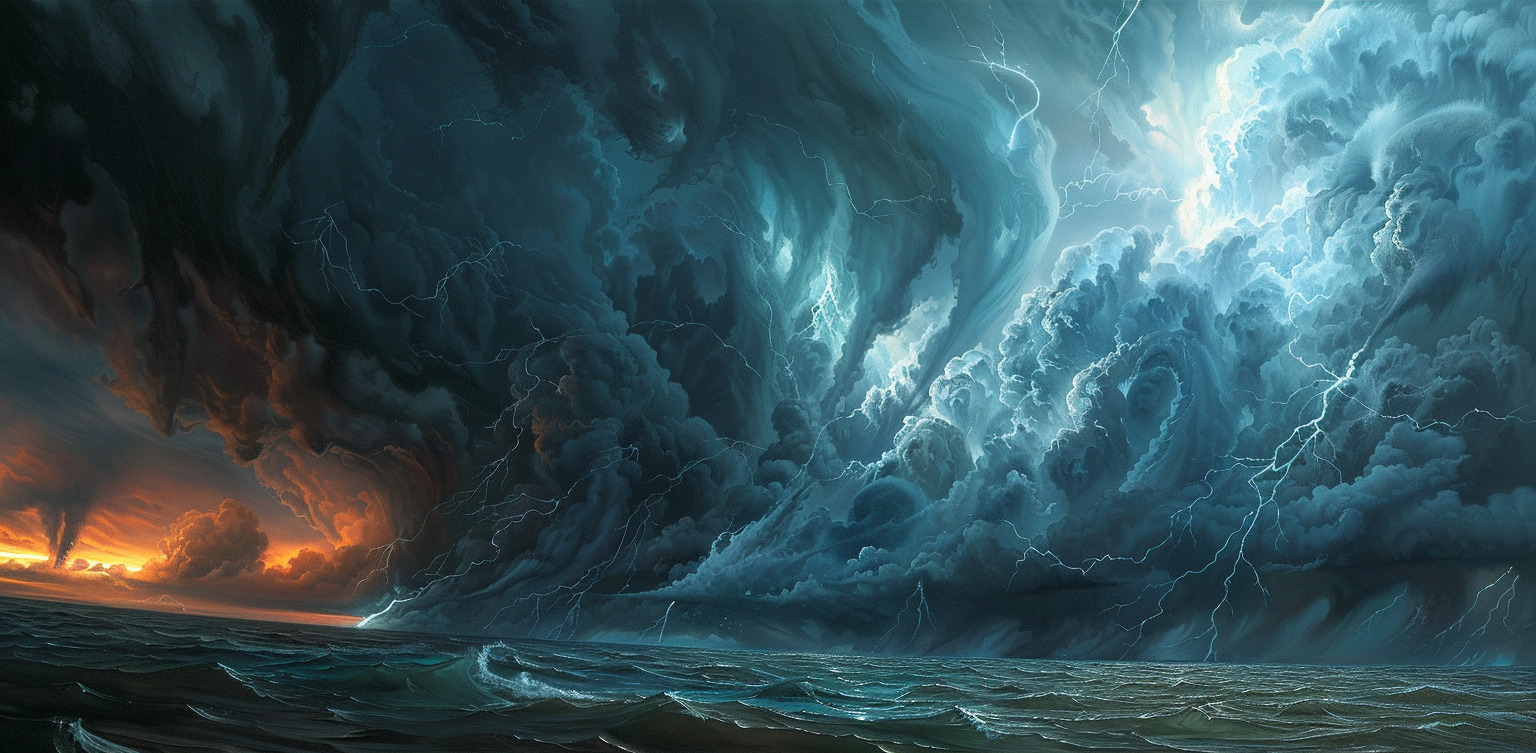
Tidefall is not a land of balance, but of inheritance, each race who has called the island home has risen on the ruins of those who came before. Ancient powers shaped the land and vanished, a Dothloden empire reshaped Tidefall through industry and then collapsed under their own weight and technological hubris. Though the Kingdom of Man claims dominion over most of Tidefall, its authority is increasingly fragile. Its people are under threat from a new Goruk warlord, and from new cults dedicated to the storm, pulling the island into anarchy.


GORUKS

Once a minor tribal race, the Goruks have united under a new warleader, A’rak Grax. Their quiet expansion and leader’s ambition to remake ancient history is a growing and unseen existential threat to the island.

Visual Portfolio, Posts & Image Gallery for WordPress

United

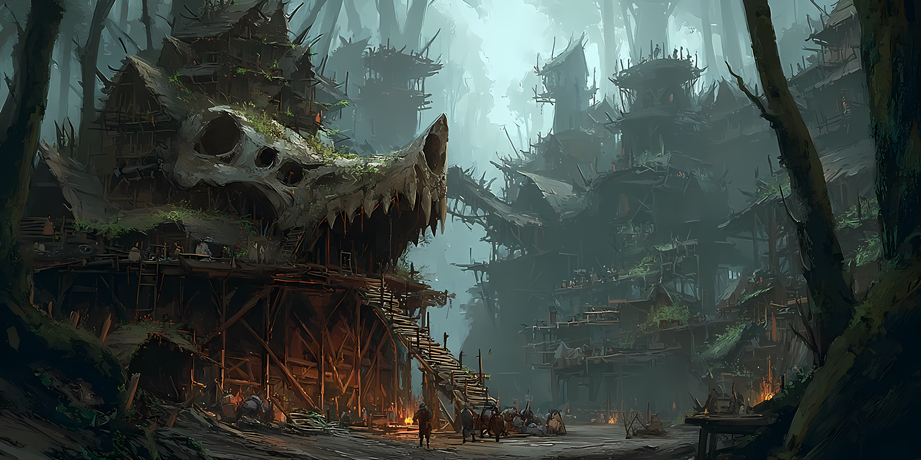
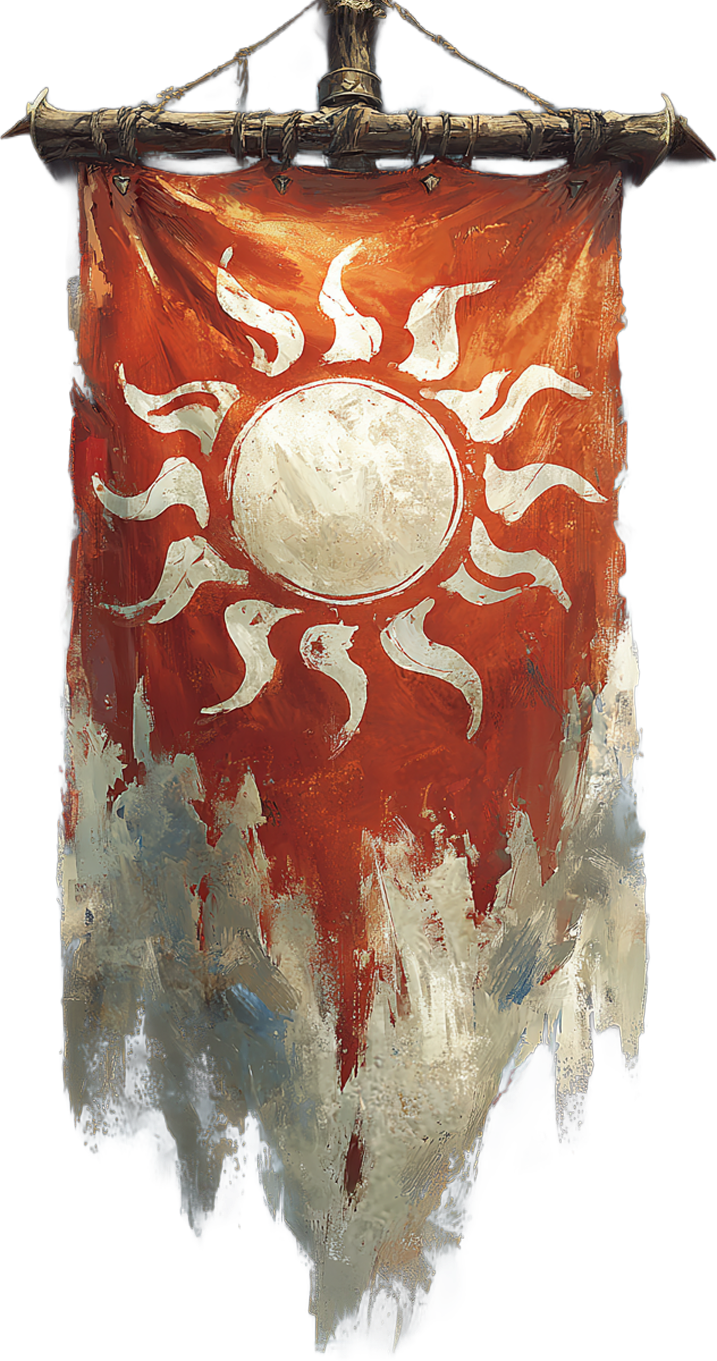
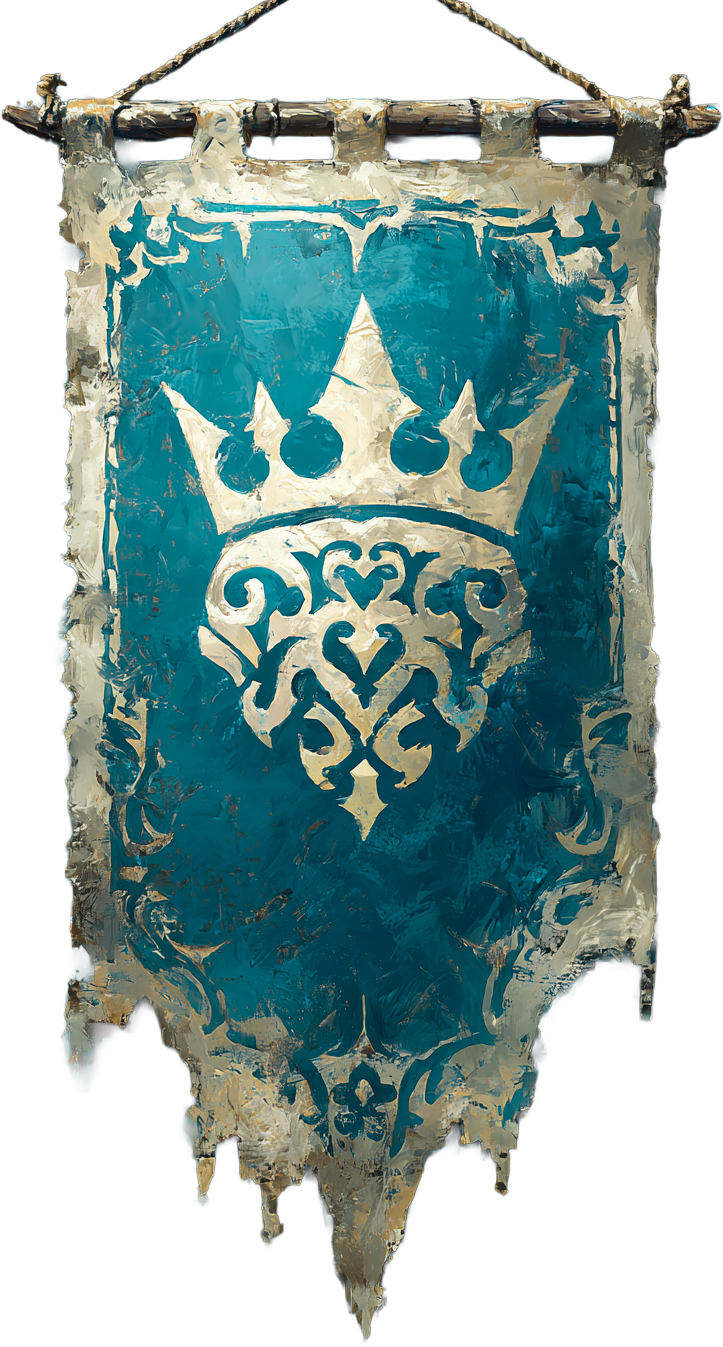
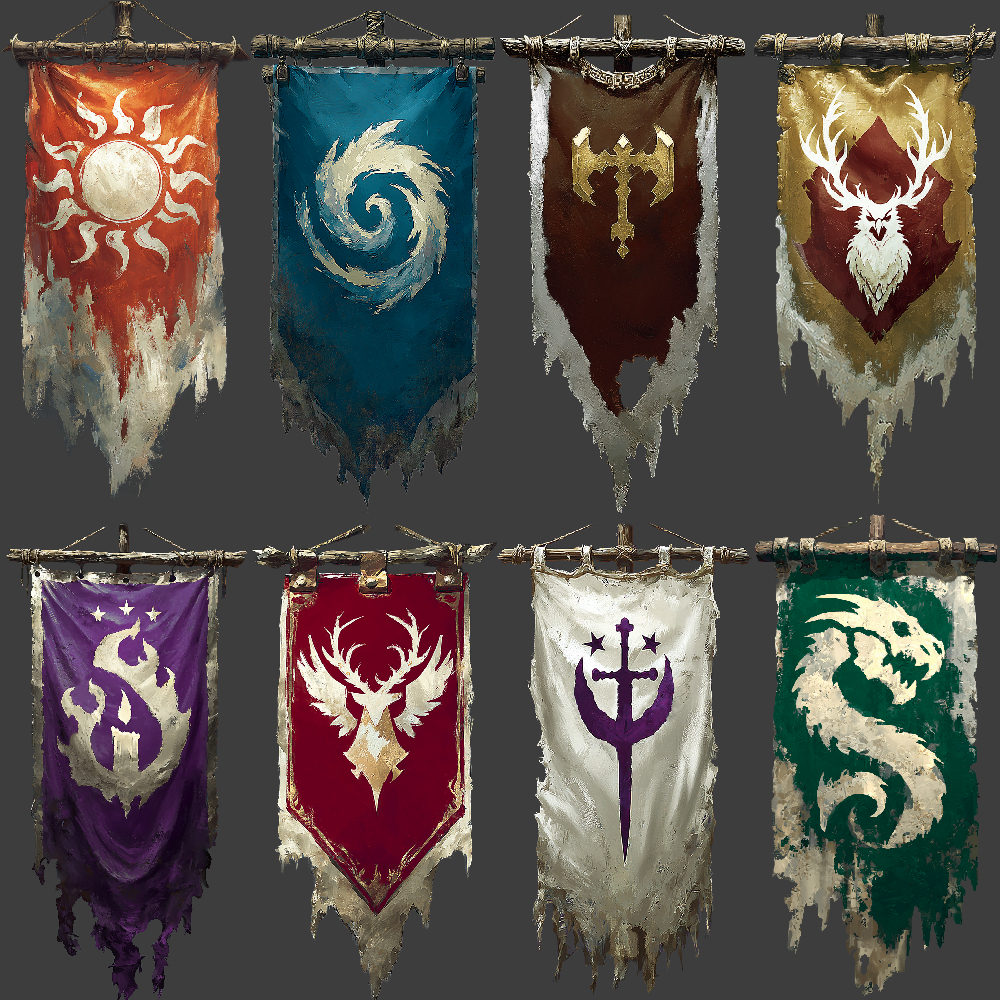
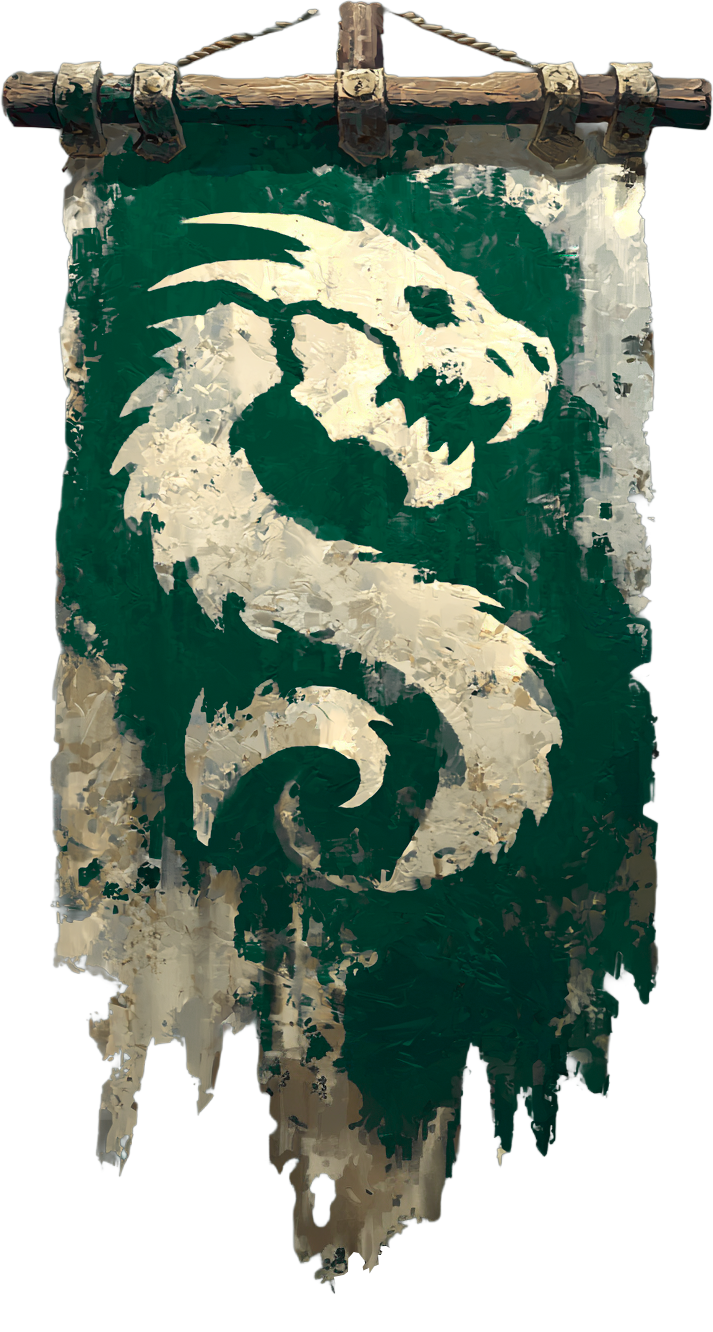
The Goruk banner carries the image of the dragon skull unearthed by A’Rak Grax himself, the symbol now carried by every united Goruk warband. Where it stands, old tribal identities are set aside, and the clans act as one.

A’rak Grax

Built around the excavated skull of an ancient dragon, the throne reinforces Grax’s claim to power through symbolism that holds a deep meaning within Goruk culture. Grax claims his rise is foretold in ancient markings and relics uncovered beneath the forests of Darkveld. Whether true or not, this conviction has spread rapidly, and many Goruks now follow Grax with near religious devotion.

Goruk Raiders

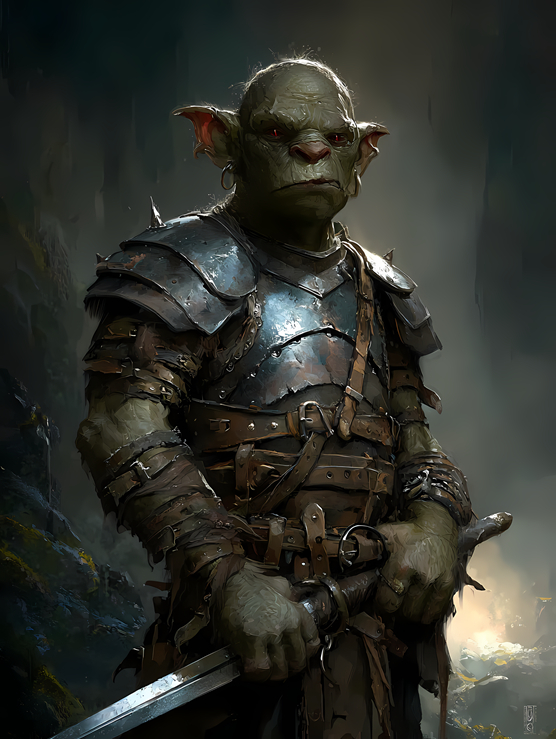
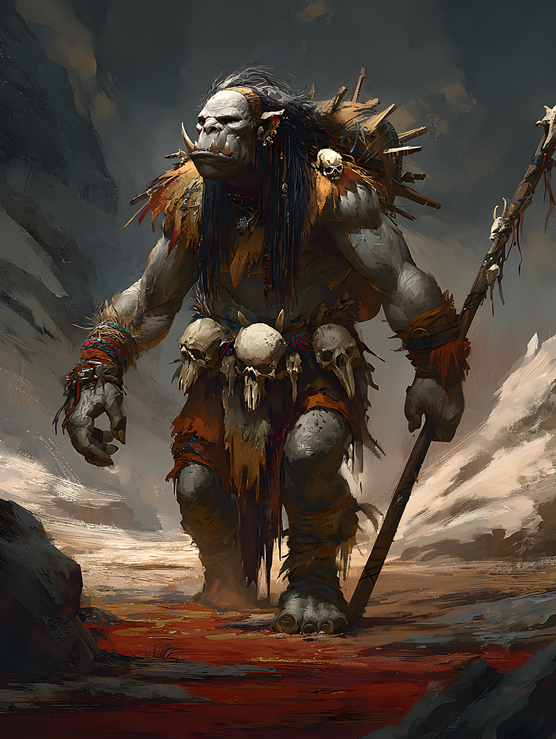
The Gurok favour speed and sudden violence over large scale warfare. Though less imposing than their larger orc cousins, at roughly five-feet tall, their hunched frames are corded and lean with muscle and covered mottled greenish-grey skin. They move with a predatory grace within their territories, wielding crude and poison soaked weapons.

Gorogith

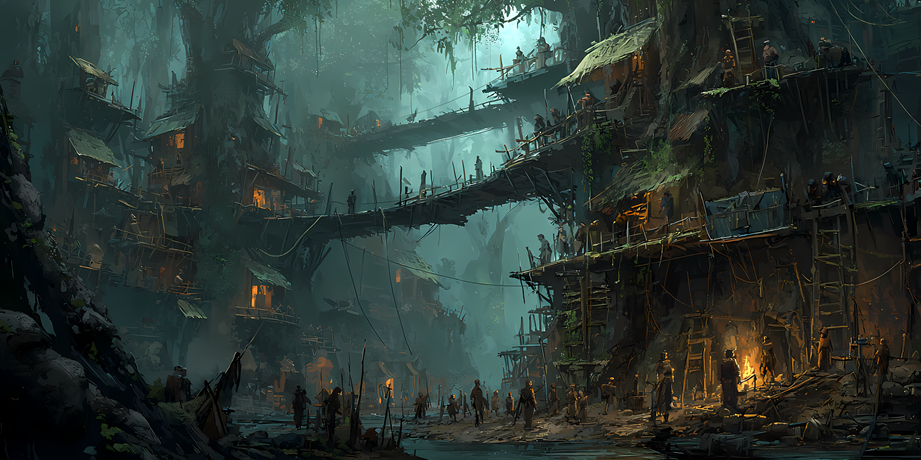
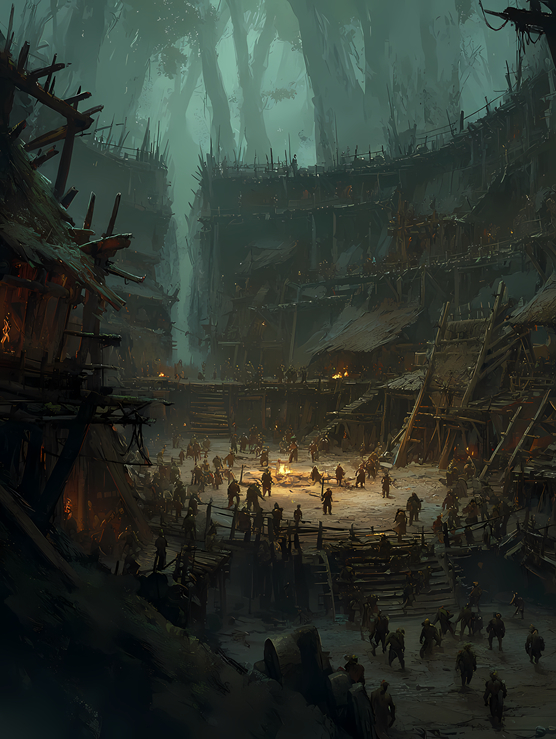
Gorogith is a permanent Goruk city concealed beneath the dense forests of Darkveld. Built across trees, rock faces, and cave systems, it is far larger and more developed than any kingdom report suggests. Its formation marks a turning point for the Goruks; once scattered clans now live under a new secret nation.

Goruk Society

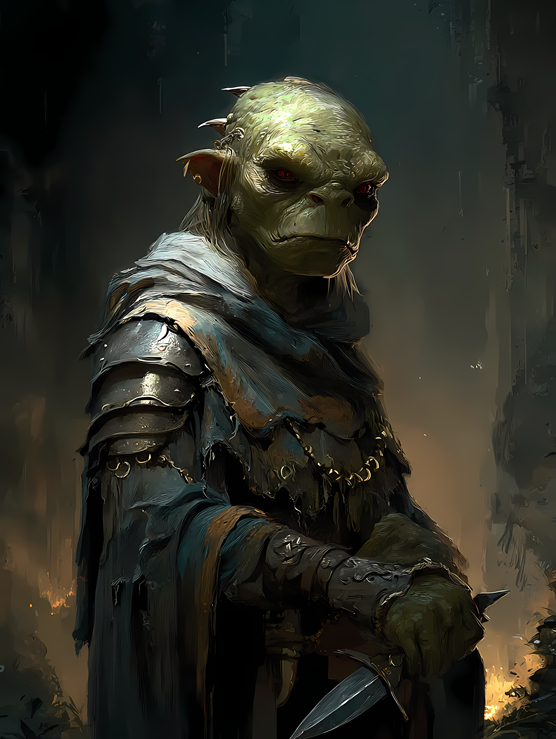
It is the women that have guided the creation of the new nation, overseeing new traditions and the interpretation of omens. Male Goruks form the warrior class, focused on strength and raiding.

Way of Life

Families live close together, work side by side, and take part in daily rituals as a community rather than as individuals. Goruks live shorter lives than most races, and Goruk communities burn fast and bright, building, fighting, and believing with a passion that leaves little tolerance for delays.
Visual Portfolio, Posts & Image Gallery for WordPress

United

The Goruk banner carries the image of the dragon skull unearthed by A’Rak Grax himself, the symbol now carried by every united Goruk warband. Where it stands, old tribal identities are set aside, and the clans act as one.

Goruk Raiders

The Gurok favour speed and sudden violence over large scale warfare. Though less imposing than their larger orc cousins, at roughly five-feet tall, their hunched frames are corded and lean with muscle and covered mottled greenish-grey skin. They move with a predatory grace within their territories, wielding crude and poison soaked weapons.

Gorogith

Gorogith is a permanent Goruk city concealed beneath the dense forests of Darkveld. Built across trees, rock faces, and cave systems, it is far larger and more developed than any kingdom report suggests. Its formation marks a turning point for the Goruks; once scattered clans now live under a new secret nation.

Hover over to see more!


DOTHLODEN

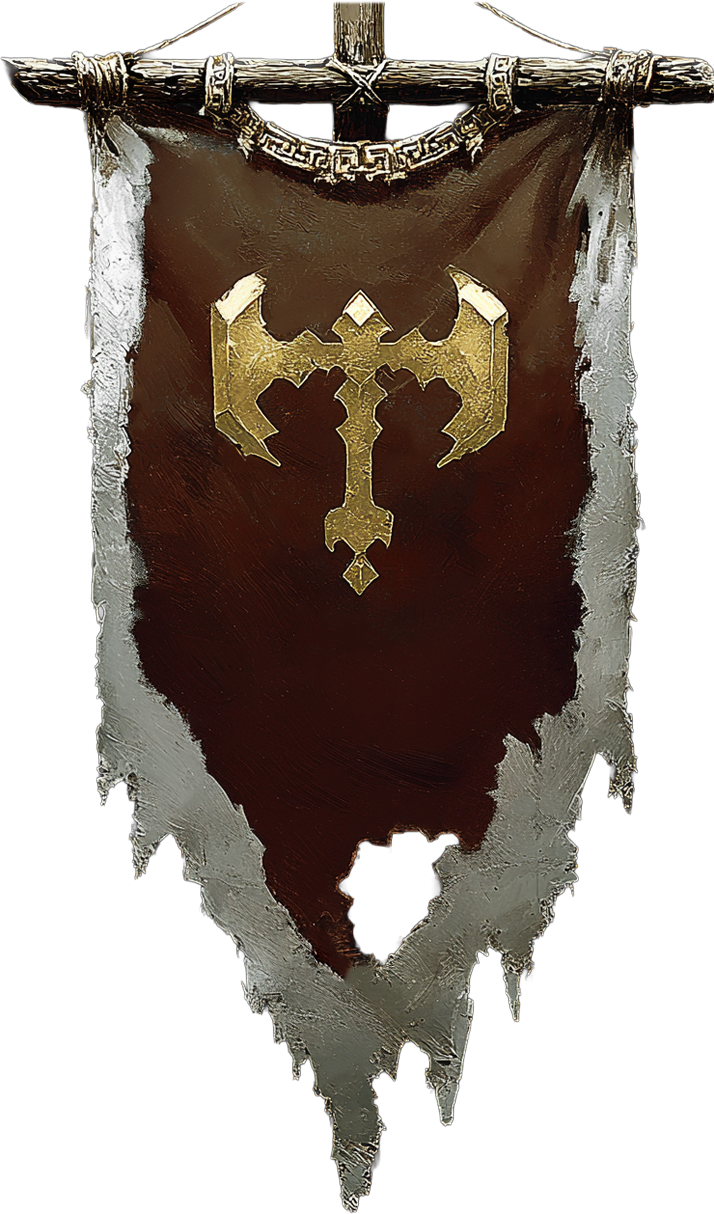
A fallen nation with one isolated city deep in the Dothspire Mountains, their abandoned holds are long since sealed. Some, choosing exile from their insular community, now live among other peoples of Tidefall.
Visual Portfolio, Posts & Image Gallery for WordPress

Crumbling Empire

After the catastrophic failure that destroyed the Elven Capital and poisoned the land to form the Screaming Wastes, the Dothloden sealed their cities, abandoned their reach, and slowly lost ground to the rising human kingdoms.

Last of the Dothloden

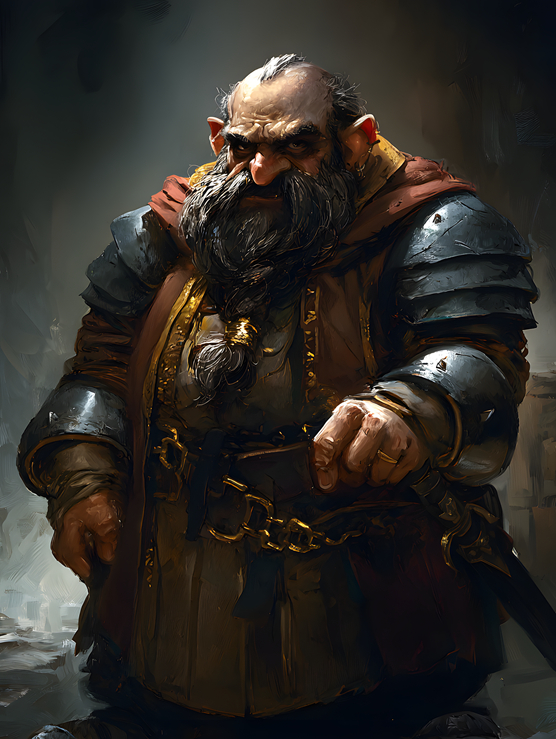
The Dothloden are a dwarven people who know their empire fell through their own actions; that knowledge has made them bitter. They do not share what they know, not out of pride, but out of fear and spite. The Dothloden believe the world is safer if their mistakes are never repeated.

City of Sumuntir

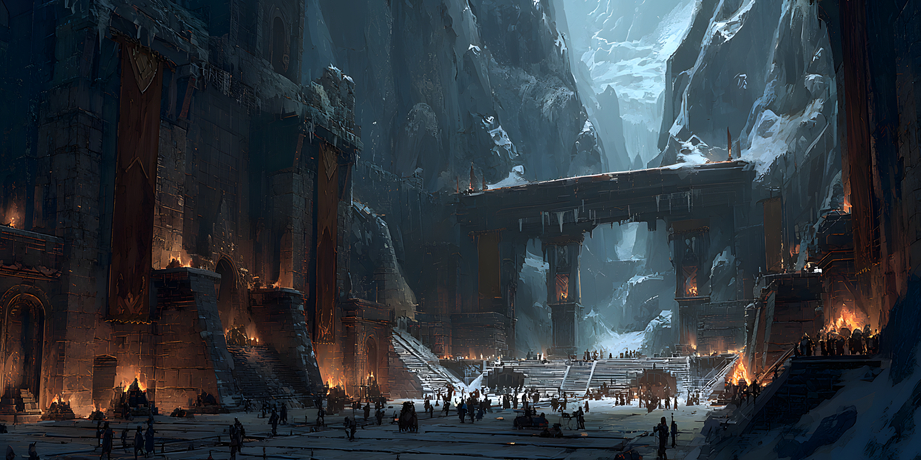
Sumuntir is the final city of the Dothloden, a nation turned inward and slowly collapsing under its own politics and decline. Outsiders are rarely allowed, and some believe their race will not survive in isolation. Those who accept this leave through a formal ritual of exile, stripped of status and forbidden to return, choosing life among other races over dying unseen beneath the mountains.

Furrodir

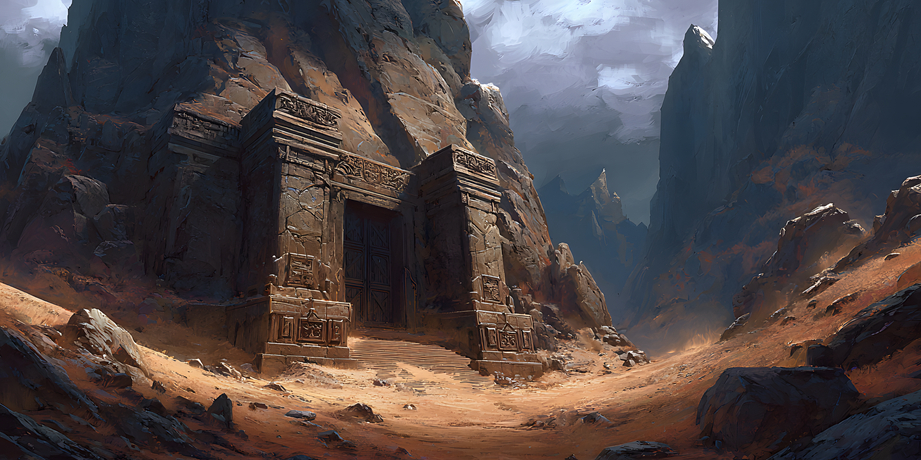
Furrodir was abandoned after the Dothloden lost control of something created within its depths. The city was sealed in haste, its gates closed and its approaches destroyed. To the outside world, Furrodir is simply a dead city in the Tornvale Rifts. Why it was abandoned, and what still lies sealed inside, is known only to the Dothloden.

The Buried Sun

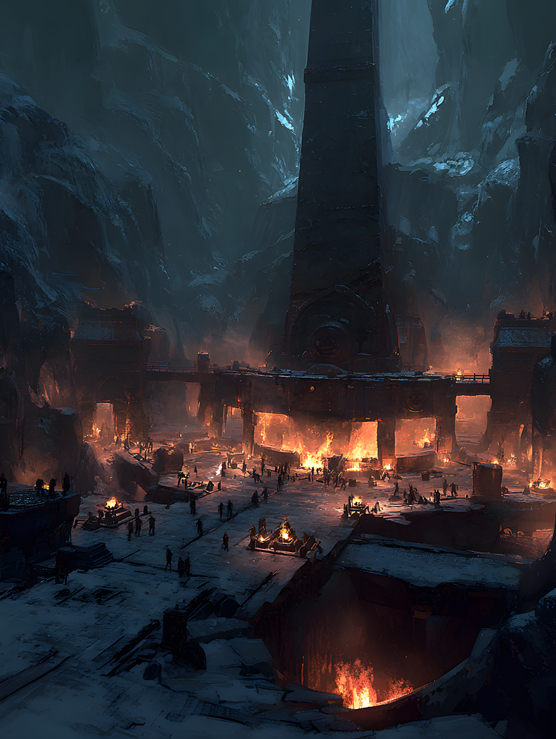
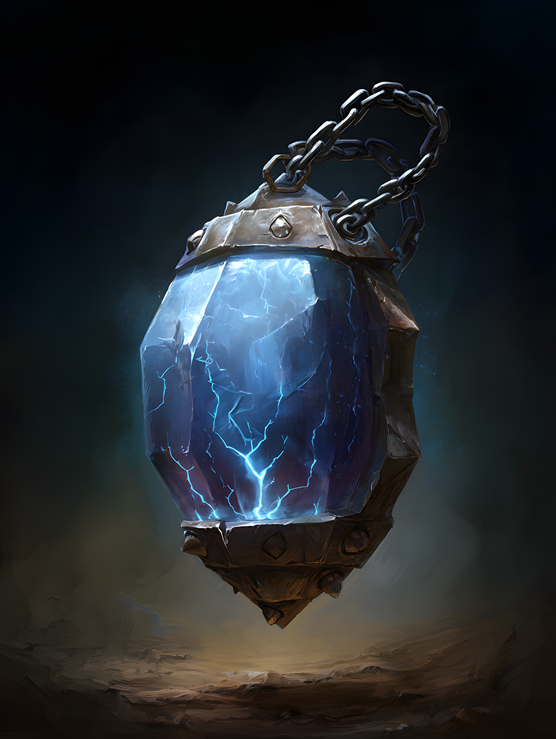
The Buried Sun is not heated by fuel alone. Deep underground, the furnace was built over a sealed conduit to Nekra Mell, contained and channelled by ancient Dothloden craft. This unnatural heat allows Blitspar to be refined without shattering, a process no surface forge can survive.

Blitspar

A physical conductor of the Nekra Mell, Blitspar is used by the Dothloden to power machines, tools, and constructs. Stabilised in specialised housings, these crystals are immensely powerful. The knowledge to harness them no longer exists anywhere else on Tidefall.
Visual Portfolio, Posts & Image Gallery for WordPress

Crumbling Empire

After the catastrophic failure that destroyed the Elven Capital and poisoned the land to form the Screaming Wastes, the Dothloden sealed their cities, abandoned their reach, and slowly lost ground to the rising human kingdoms.

Last of the Dothloden

The Dothloden are a dwarven people who know their empire fell through their own actions; that knowledge has made them bitter. They do not share what they know, not out of pride, but out of fear and spite. The Dothloden believe the world is safer if their mistakes are never repeated.

City of Sumuntir

Sumuntir is the final city of the Dothloden, a nation turned inward and slowly collapsing under its own politics and decline. Outsiders are rarely allowed, and some believe their race will not survive in isolation. Those who accept this leave through a formal ritual of exile, stripped of status and forbidden to return, choosing life among other races over dying unseen beneath the mountains.

Hover over to see more!


ORCS

Nomadic peoples of the Western Flats, the orcs travel with the land, ranging from Saltspitter Plains to the Tornvale Rifts, guided by ritual, tradition, and deep respect for the natural world.

Visual Portfolio, Posts & Image Gallery for WordPress

Orc Tribes

The Orcs of Tidefall have shaped their culture around survival rather than conquest. Fearful of the great wyrm in the Western Flats, they move carefully, build little, and leave few traces behind. Drawing no lasting attention, they are deeply attuned to the land and its creatures.

The Walking Nation

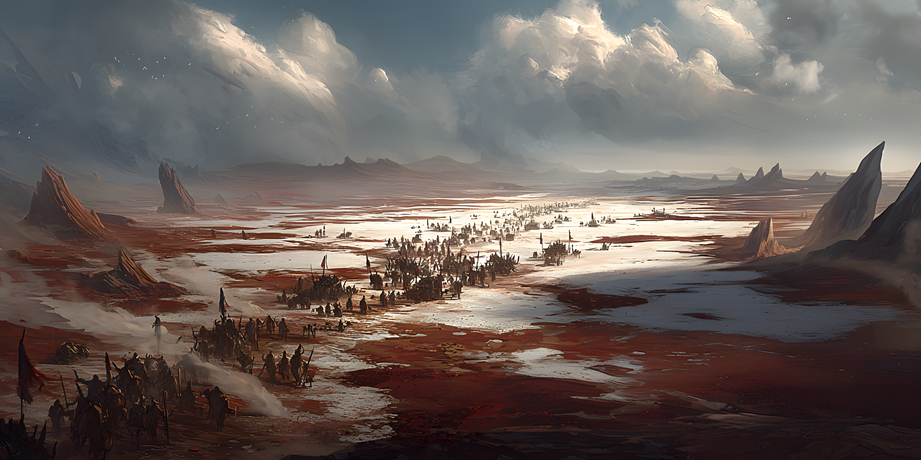
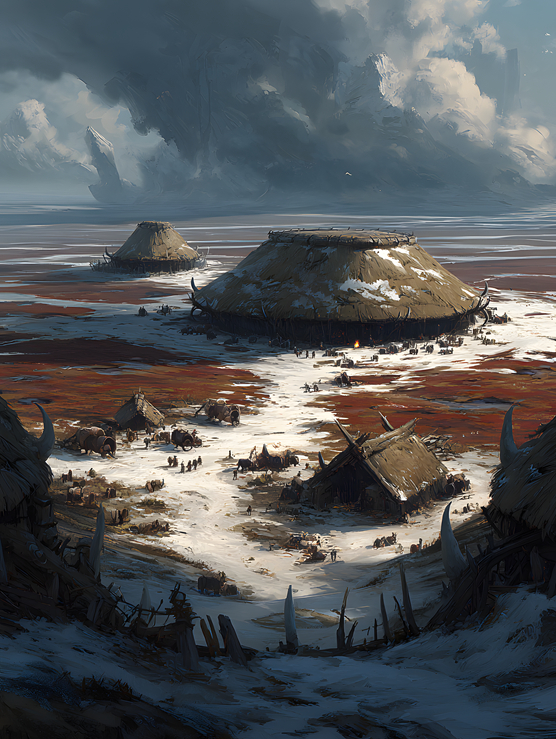
The largest Orc tribe is not a single camp, but a moving people. Known to outsiders as The Walking Nation, it consists of countless clans travelling together across the wastes in one vast procession. When this host passes, it reshapes the land for a time, then vanishes again, leaving little behind but salt and memory.

Nomads of the Flats

To outsiders, these huge nomads are thought of as savage. Still, merchants crossing the Flats between Colwynd and Katmusad rely on the Orcs for wayfaring and protection. Only those lucky few to survive the Flats know the Orcs are a disciplined people with a rich culture shaped by survival.

The Hrund

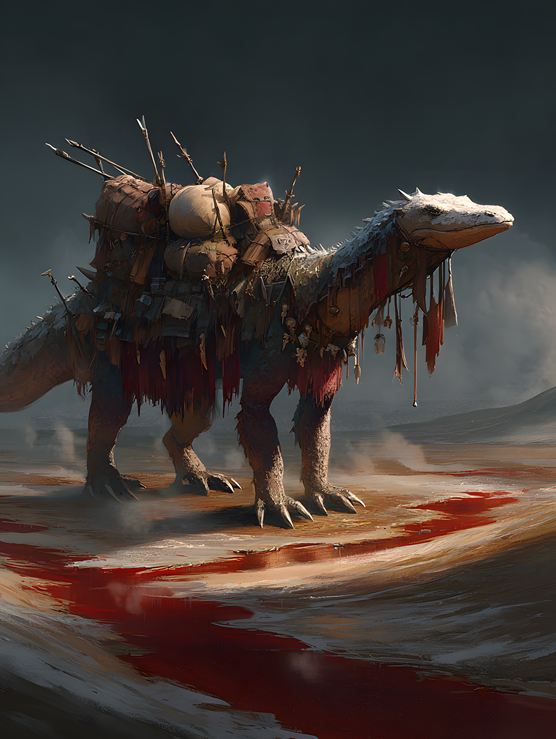
Long-legged reptilian beasts that carry Orc communities across the salt flats. They can travel for days without rest and form the backbone of Orc migrations. Each Hrund lives for many generations and is treated as part of the tribe. They are named, decorated, and cared for with great respect. Harming a Hrund is considered a serious crime, and the loss of one is mourned like the death of a family member.

Hidden Pits

Orc supply pits are dug low and wide, camouflaged under structures built to be invisible from the sky. They shelter livestock, water reserves, and supplies that cannot travel constantly with the tribes. Visited only for short periods, these sites are built at the edges of the salt flats where some cover exists.

The Dragons Teeth

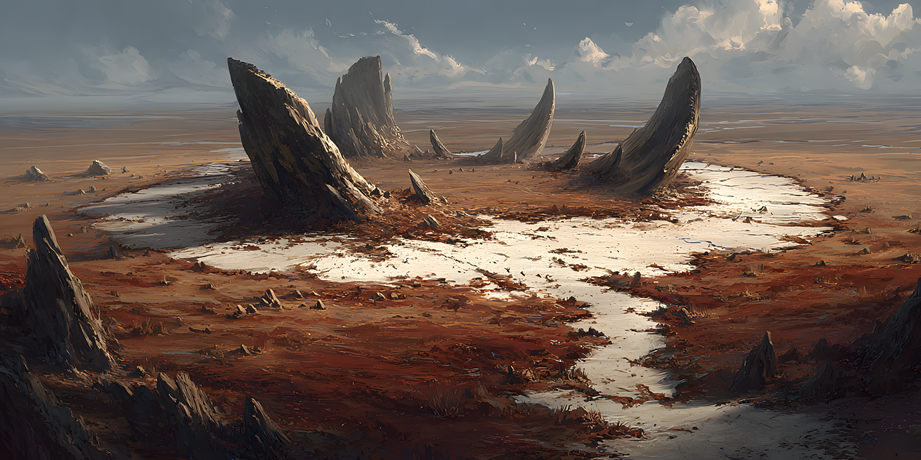
Not only a shared gathering place for all tribes, it is where Orcs who can no longer keep pace, through age, injury, or sickness, choose to remain, guided by shamans who weigh the needs of the tribe against the will of the individual. Those who stay are given time, water, and final rites, then left to the land. What happens after is not spoken of, and no Orc returns to witness the end.
Visual Portfolio, Posts & Image Gallery for WordPress

Orc Tribes

The Orcs of Tidefall have shaped their culture around survival rather than conquest. Fearful of the great wyrm in the Western Flats, they move carefully, build little, and leave few traces behind. Drawing no lasting attention, they are deeply attuned to the land and its creatures.

Nomads of the Flats

To outsiders, these huge nomads are thought of as savage. Still, merchants crossing the Flats between Colwynd and Katmusad rely on the Orcs for wayfaring and protection. Only those lucky few to survive the Flats know the Orcs are a disciplined people with a rich culture shaped by survival.

The Walking Nation

The largest Orc tribe is not a single camp, but a moving people. Known to outsiders as The Walking Nation, it consists of countless clans travelling together across the wastes in one vast procession. When this host passes, it reshapes the land for a time, then vanishes again, leaving little behind but salt and memory.

Hover over to see more!


HUMANS

The youngest race on Tidefall, humans dominate Tidefall through numbers and force, yet their power is divided between the King and Grand Council, powerful regional lords, and unrest stirred by Storm cults.

Visual Portfolio, Posts & Image Gallery for WordPress

An isolated kingdom

The Human Kingdom rules the Crownlands, Gildreach, the Western Flats, and the Southern Provinces, spreading cities, farms, roads, and fortresses across Tidefall. Since the Storm’s arrival, trade has faltered, borders have hardened, and much of the realm now endures rather than prospers.

King Aleron II

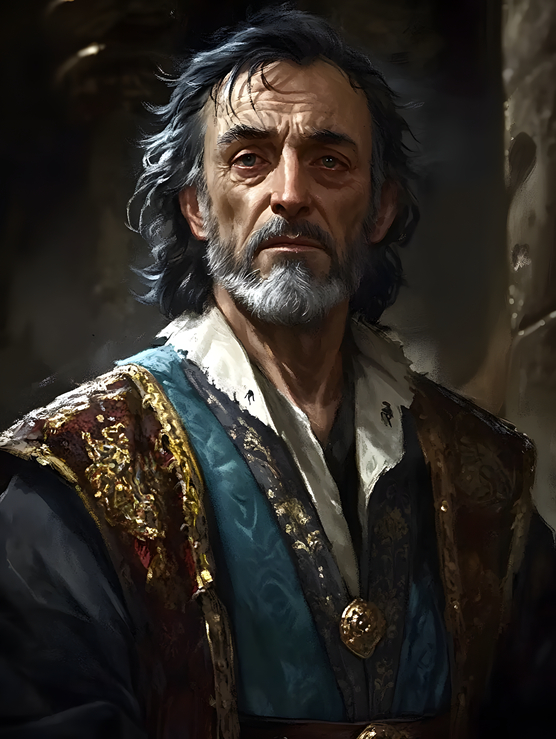
Aleron II inherited the crown as a child after his grandfather, Aleron I, vanished alongside the realm’s greatest leaders. What followed was not unity, but a power vacuum filled by bickering nobles and self-interested rule. Now of age, the King wears the crown, but not the authority his grandfather once held.

The Grand Council of Highwater

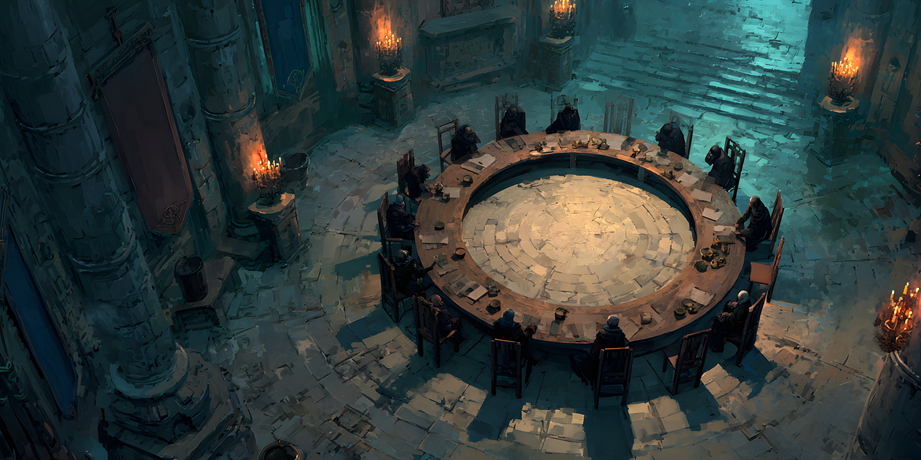
Once formed as a safeguard for a child king, the Grand Council remains the highest governing body on Tidefall. Though King Aleron II now sits at its head, the real power is divided between rival nobles. While the council debates, the Quince brothers exert their influence elsewhere, their competing ambitions quietly reshaping the balance of power across Tidefall.

Beyond the King’s Reach

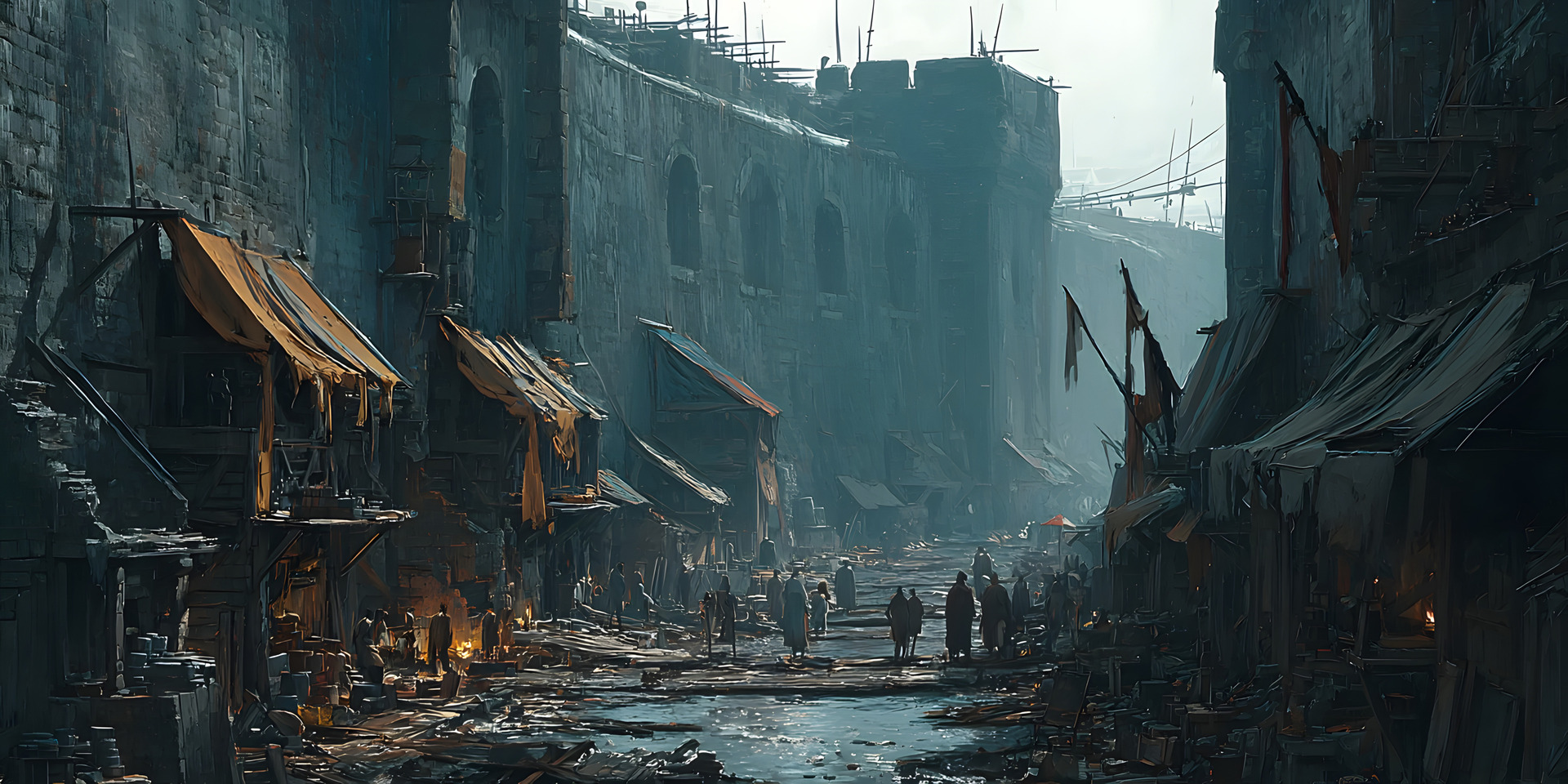
In theory, the Southern Province answers to the crown. In practice, it answers only to Darion Quince. Here, royal law and moral order carry little weight. Darion governs through strength, surveillance, and fear, investing heavily in walls, soldiers, and control while the living conditions of his subjects decline. Entire frontier regions—Ebstone, Fellmarch, and others, have been quietly abandoned when they no longer served his interests.

The Gildreach Burns

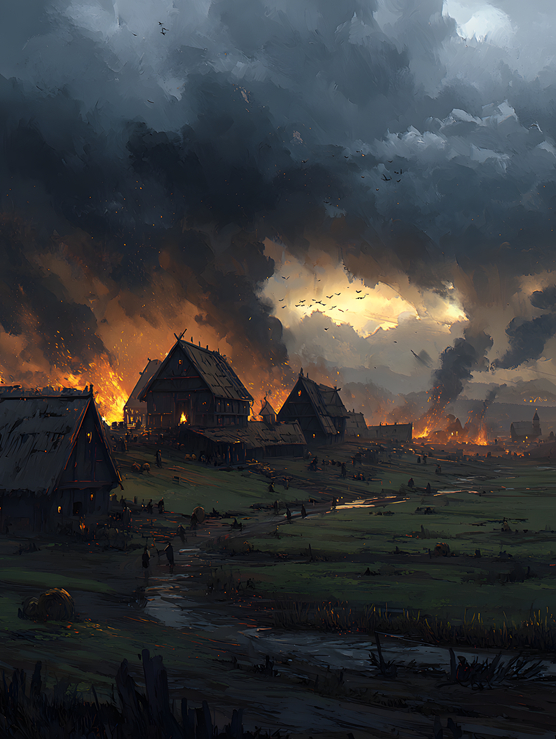
Goruk warbands have begun striking deep into the Gildenreach, torching farms across Gildenrun. The fires spread faster than word can travel, and the Council’s response is always too late.

Public Punishment

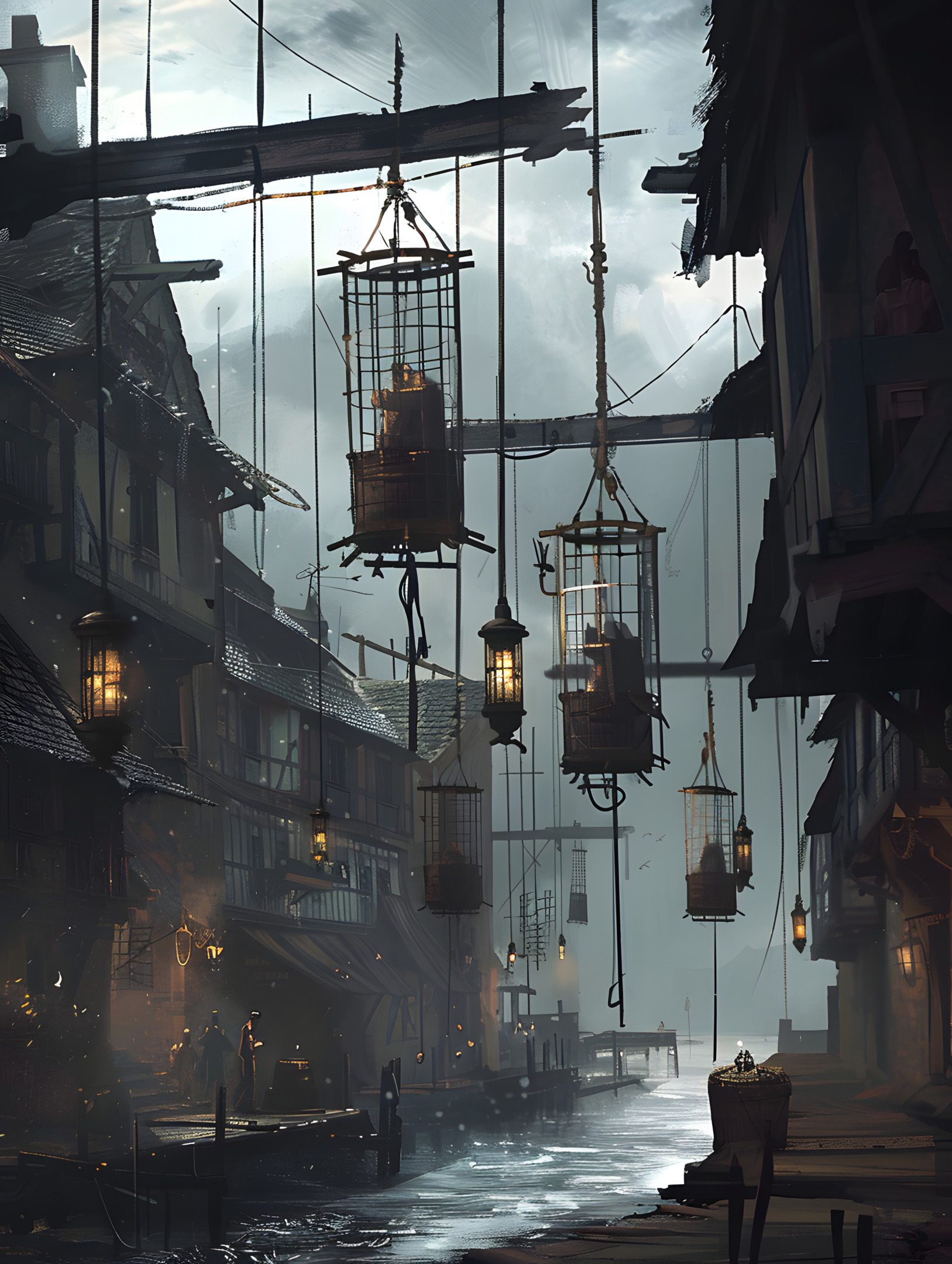
As unrest grows, punishment in the Human Kingdoms has become increasingly public. Cages stand in squares and at gates, blurring the line between law, spectacle, and intimidation.
Visual Portfolio, Posts & Image Gallery for WordPress

An Isolated Kingdom

The Human Kingdom rules the Crownlands, Gildreach, the Western Flats, and the Southern Provinces, spreading cities, farms, roads, and fortresses across Tidefall. Since the Storm’s arrival, trade has faltered, borders have hardened, and much of the realm now endures rather than prospers.

King Aleron II

Aleron II inherited the crown as a child after his grandfather, Aleron I, vanished alongside the realm’s greatest leaders. What followed was not unity, but a power vacuum filled by bickering nobles and self-interested rule. Now of age, the King wears the crown, but not the authority his grandfather once held.

The Grand Council of Highwater

Once formed as a safeguard for a child king, the Grand Council remains the highest governing body on Tidefall. Though King Aleron II now sits at its head, the real power is divided between rival nobles. While the council debates, the Quince brothers exert their influence elsewhere, their competing ambitions quietly reshaping the balance of power across Tidefall.

Hover over to see more!


SEE MORE